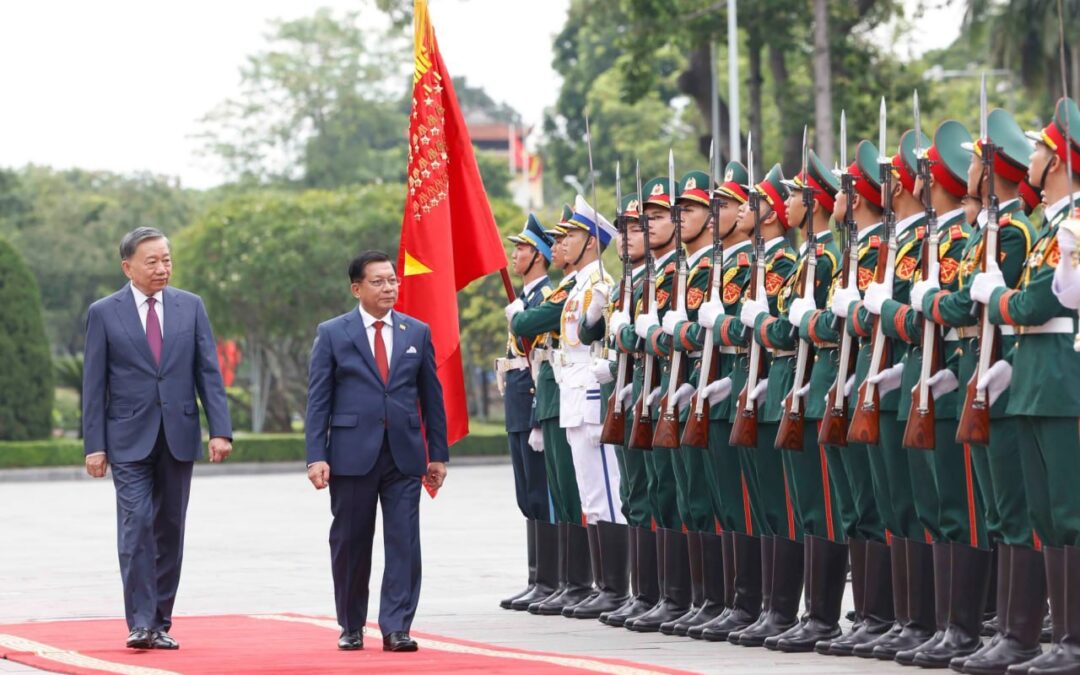
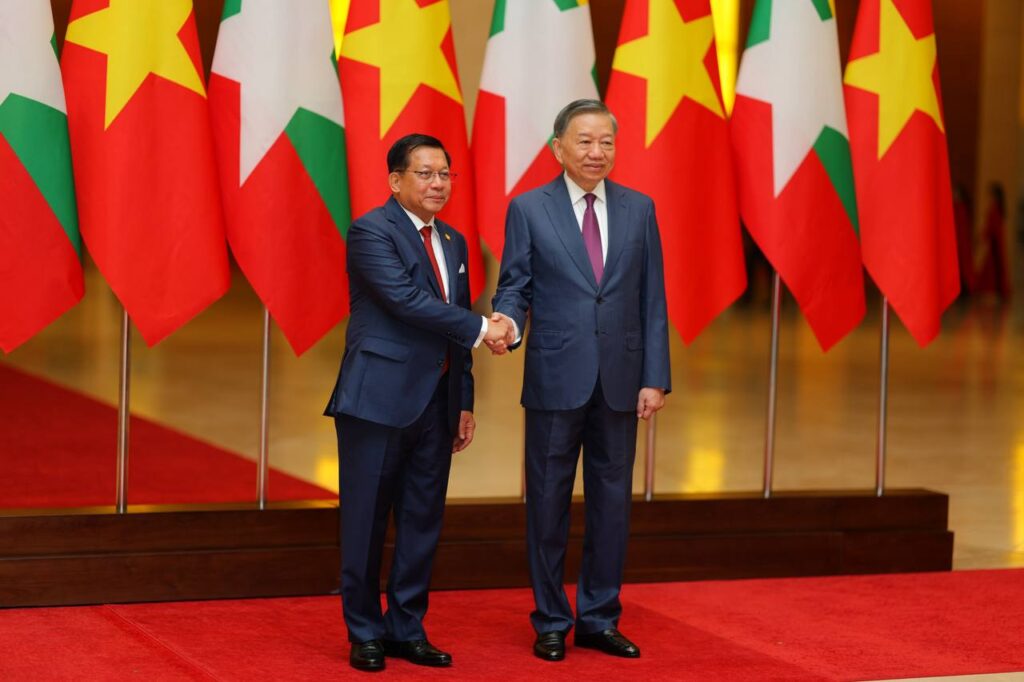
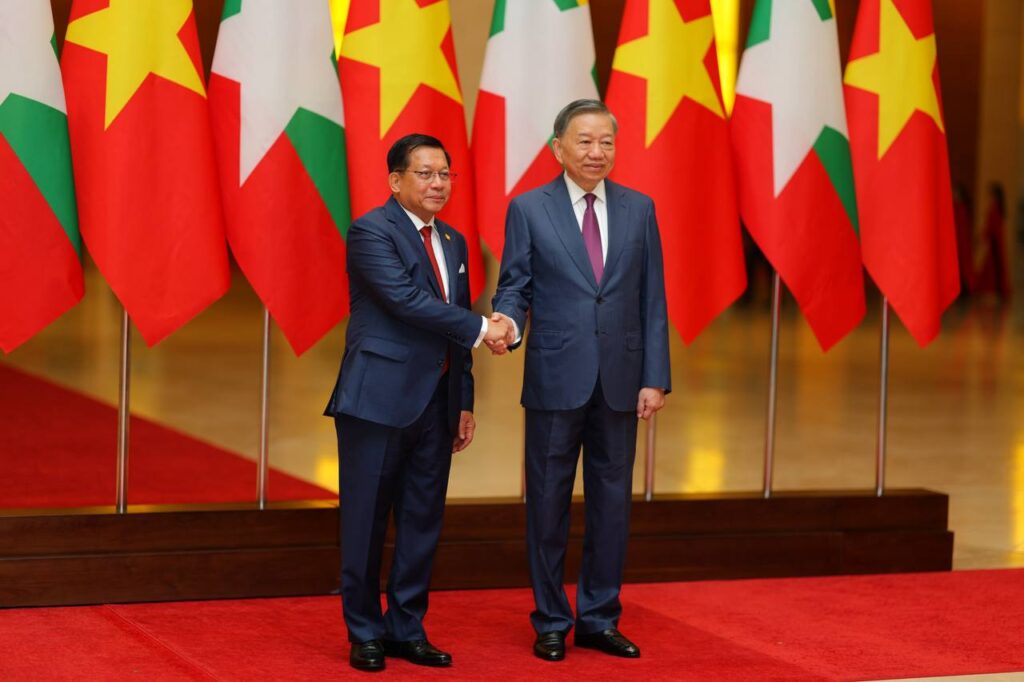
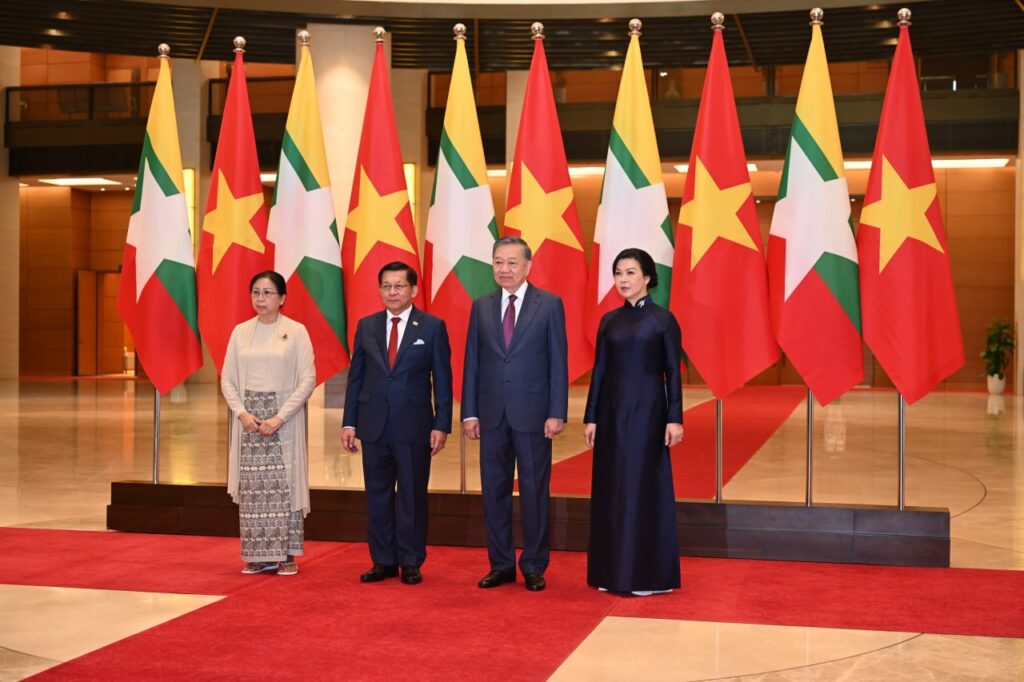
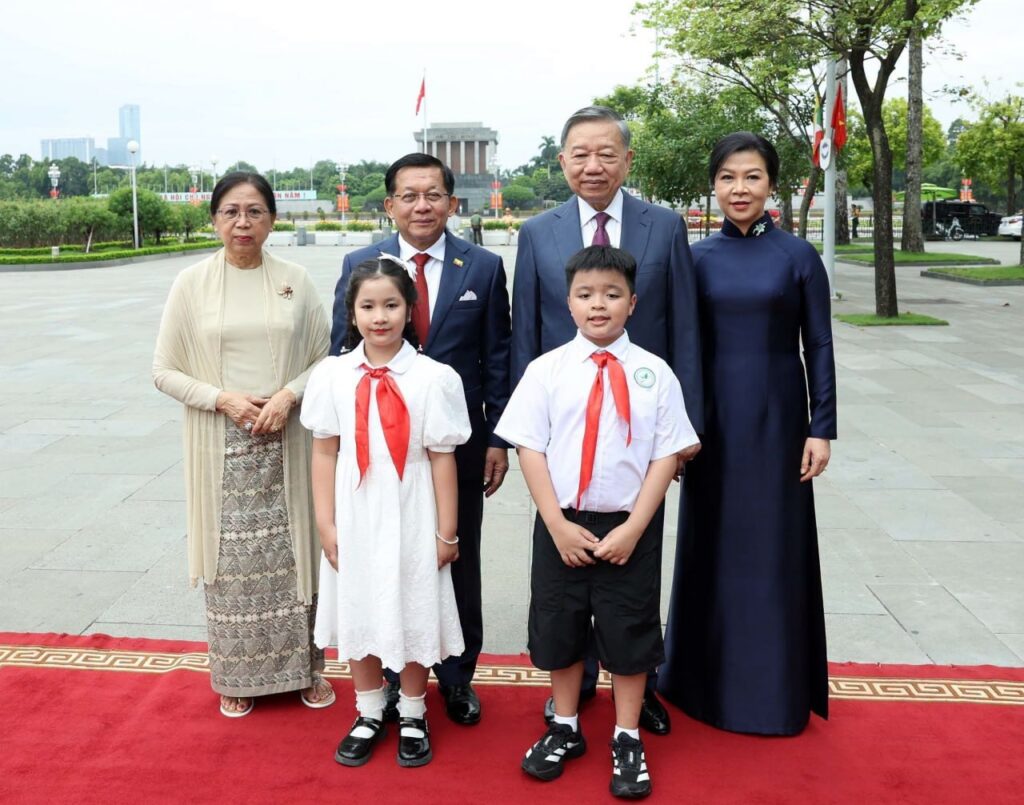
The recent official visit of U Min Aung Hlaing, President of the Republic of the Union of Myanmar, to the Socialist Republic of Vietnam represents a significant milestone and the opening of a new chapter in Myanmar–Vietnam relations. Building on a long-standing tradition of friendship, the visit may be viewed as a strategic step towards strengthening political trust while broadening economic and technological corridors for the future.
A Historic Friendship and Firm Political Trust
Myanmar and Vietnam share similar historical experiences in their struggles for independence, and both countries have endured numerous challenges in the course of their national development.
In 1954, Myanmar Prime Minister U Nu visited Vietnam. In February 1958, Vietnamese President Ho Chi Minh visited Myanmar, during which the University of Yangon conferred upon him an honorary doctorate in law. Such exchanges reflected the strong foundations of friendship that had already been established between the two countries.
Today, diplomatic relations between Myanmar and Vietnam have reached their 50th anniversary, while the Comprehensive Cooperative Partnership , established in 2017, will mark its tenth anniversary in 2027.
Statements made by the leaders during the latest visit further underscored the growing political trust between the two countries.
Vietnamese President Mr. To Lam stated: “The President’s visit will contribute to further strengthening the friendship, comprehensive cooperation and partnership between our two countries, while generating practical outcomes that will help deepen, consolidate and enhance the effectiveness of Vietnam–Myanmar relations in the years ahead.”
Vietnamese Prime Minister Mr. Le Minh Hung likewise expressed confidence that the visit would further promote and strengthen friendship and cooperation between the two countries.
For his part, the President of Myanmar stated that he greatly respected and admired successive generations of Vietnamese leaders for their achievement in building Vietnam into a country that has made comprehensive progress despite having endured decades of war and international sanctions and restrictions.
Such remarks demonstrate a relationship founded not merely on diplomatic courtesy, but on mutual recognition of each other’s historical struggles, resilience and achievements — the hallmarks of firm political trust.
An Expanding Technology Corridor and Industrial Cooperation
Building on this political trust, economic and technological cooperation between Myanmar and Vietnam has continued to broaden.
Myanmar has also requested Vietnam to share the experience gained from nearly four decades of implementing its Doi Moi economic reform programme . Such knowledge-sharing could represent an important strategic step for Myanmar as it seeks to advance its own economic reform and development process.
There are also promising prospects for cooperation in technology and industry.
- Mytel , which began operations in 2018, has become an important example of bilateral investment and technological cooperation. The name “Mytel” itself was selected by the President of Myanmar.
- Myanmar has invited Viettel to invest in technology special zones, including Yadanarpon Cyber City, with a view to manufacturing digital and technological products in Myanmar.
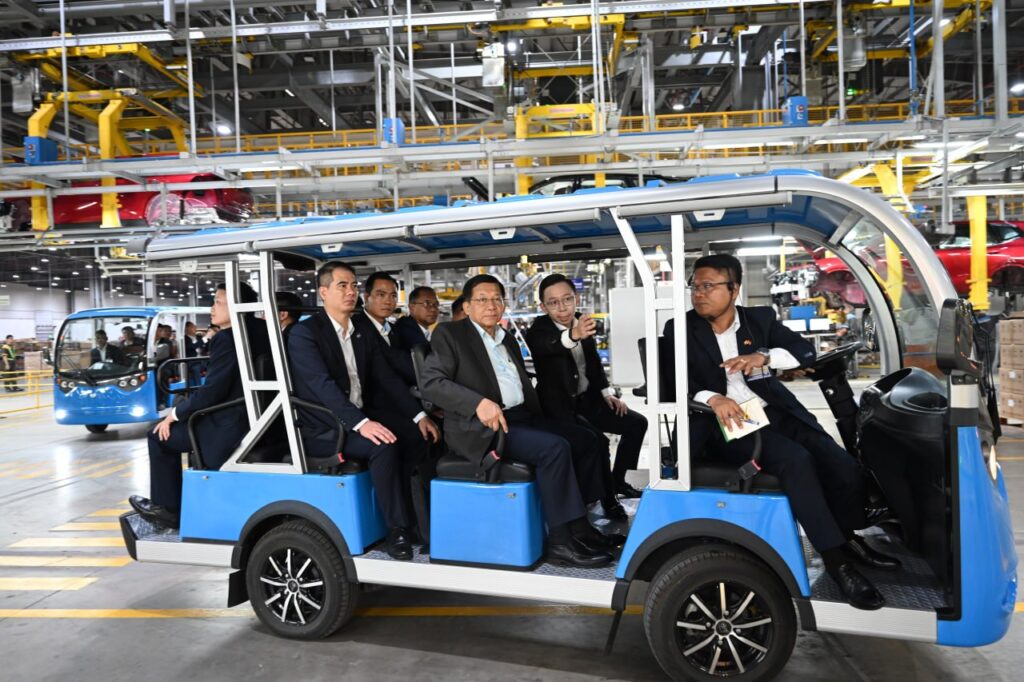
- The Myanmar delegation also visited VinFast’s electric vehicle manufacturing plant , which covers more than 500,000 square metres and was reportedly completed within 21 months. The visit highlights the potential for future cooperation in electric vehicles, advanced manufacturing and related industrial sectors.
Linking Strategic Economic Corridors
In the areas of trade and infrastructure connectivity, Myanmar and Vietnam are placing increasing emphasis on utilizing regional economic corridors.
- Myanmar’s ‘Thilawa Special Economic Zone’ can be connected with the East–West Economic Corridor, linking Myanmar through Myawaddy with Thailand, Laos and Da Nang in Vietnam.
- ‘The Dawei Deep-Sea Port’ could also be linked to the Southern Economic Corridor, connecting Dawei in Myanmar with Bangkok, Luang Prabang and Da Nang in Vietnam.
- In addition, the ‘India–Myanmar–Thailand Trilateral Highway’ is being implemented. Once connected with wider regional transport networks, it could provide Vietnam with greater access to South Asian markets through Myanmar, while enabling Myanmar to gain easier access to East Asian markets through Laos and Vietnam.
Such connectivity would give Myanmar and Vietnam a strategic role as bridges between Southeast Asia, South Asia and the wider East Asian economic space.
Conclusion
In conclusion, Myanmar–Vietnam relations are evolving from a historically rooted friendship into an increasingly practical and strategic partnership.
As the President of Myanmar remarked at the business forum:“If we go alone, we may go fast, but only by working together can we go far.” At a time of growing uncertainty in the global economy, stronger cooperation between Myanmar and Vietnam has become increasingly important.
By building upon firm political trust and expanding cooperation in digital technology, advanced industries and regional connectivity — while linking the East–West and Southern Economic Corridors — Myanmar and Vietnam have the potential to create a broader and more promising future for their bilateral partnership.
The foundations have already been laid. The next phase will depend on how effectively political goodwill can be translated into trade, investment, technology transfer, industrial cooperation and tangible regional connectivity.